
For land managers
Who is out
on your ground.
Estates, plantations, reserves, conservancies, mountain clubs — anywhere people sign in at one end of a day and are expected back at the other. A register you do not have to be standing at, permits with a start and an end, and an alarm when somebody is late.
The register
The book at the gate,
without the gate
The paper register works right up until the moment it matters: nobody is standing at it at half past five, and nobody reads back through it to notice a line with no sign-out beside it.
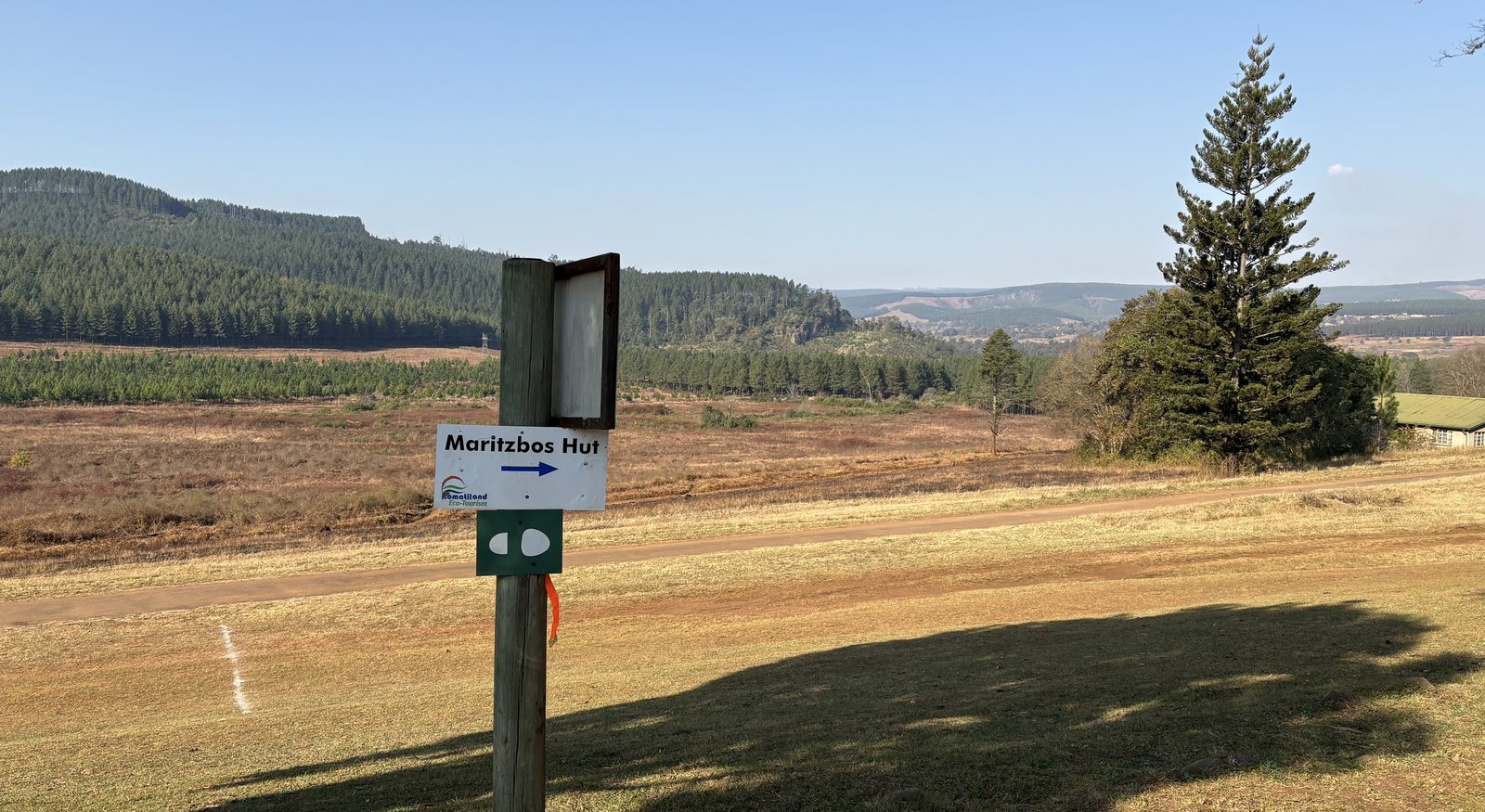
Where, who with, back when
A route off your own map, the size of the party, and an expected return. Named people, so a party of four signing out as one is four people you can account for and not a number.
Starting now
The moment they actually set off, which is rarely the moment they said they would. The clock you are watching runs from this, not from the booking.
Back, and all of us
Each person, or one of them signing the party off. Until that happens the row stays on your board, and the board is the only thing anybody has to look at.
Permits
Permission with
a start and an end
Access on managed ground is rarely "yes" or "no" — it is "yes, those twelve, on Saturday, on the eastern block". A permit in Spoor is that sentence, enforced.
Grant to one hiker, a named group with a headcount, or an entire race — the race director's field inherits the permission without you issuing two hundred of them.
A window with a start and an end, so access lapses without anybody having to remember to take it away. Revoke early when you need to.
Somebody lodging an outing across ground they have no permission for is told at the point of lodging — which is the only moment the answer is still useful to them.
Your ground, as you know it
Trails, and how they
actually go underfoot
You lay your ground out once. Import a GPX from a walk you have already done, or trace what is already mapped, then cut the line where the ground changes and say what each section is really like.
Walk it, then mark it
Drop in the track from a walk and it becomes a trail on your map. Tap the line where the going changes and it splits there — on a point somebody actually walked, never on an invented coordinate between two of them.
Five bands, not your opinion
Runnability is graded on the orienteering standard (ISOM 2017‑2): easy, normal, slow, walk, fight. A grade means the same thing on your estate as on anybody else's, which is what makes a stranger's time estimate worth having.
Routes are built from trails
A route is a run of your own trail sections, in order. Re-grade a section after a wet winter and every route over it is re-graded with it — you fix the ground, not six copies of it.
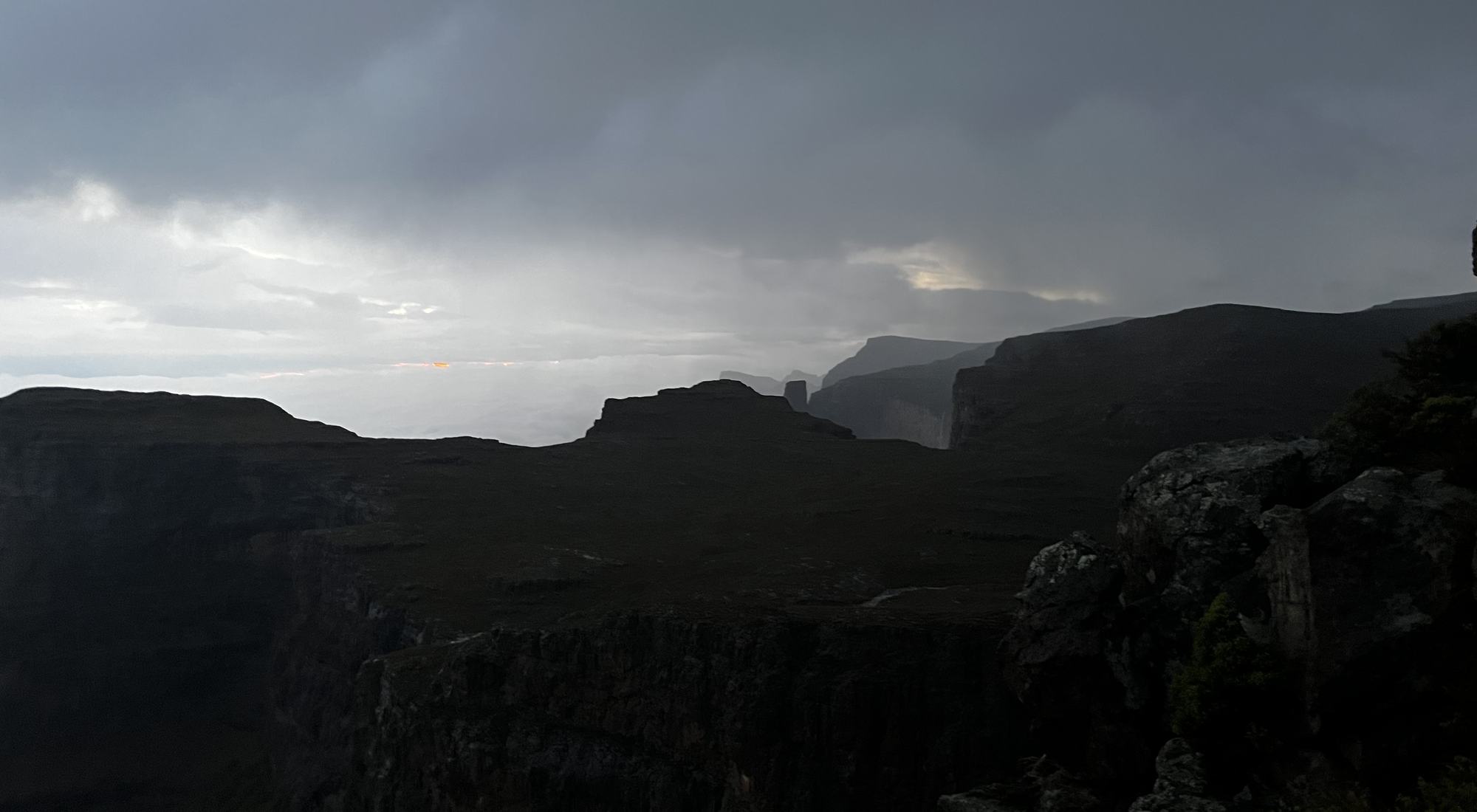
When the ground changes
The bridge is out.
Now tell forty people.
Burning, felling, a washed-out crossing, a buffalo in the wrong camp. A closure in Spoor is a shape on your map with your own words attached, and it reaches the people who are already out on it.
Not a red polygon and a shrug. Whoever is routed near it is told what it is and why, in the sentence you wrote — so they stop arguing with the map.
A seasonal closure is armed and stood down. The shape stays; next burning season you switch it back on rather than drawing it again.
Closures, hazards, safe places and boundaries are inside the downloaded pack. Losing signal in a valley does not turn your ground back into a blank map.
The desk
One board, and a clock
on every row
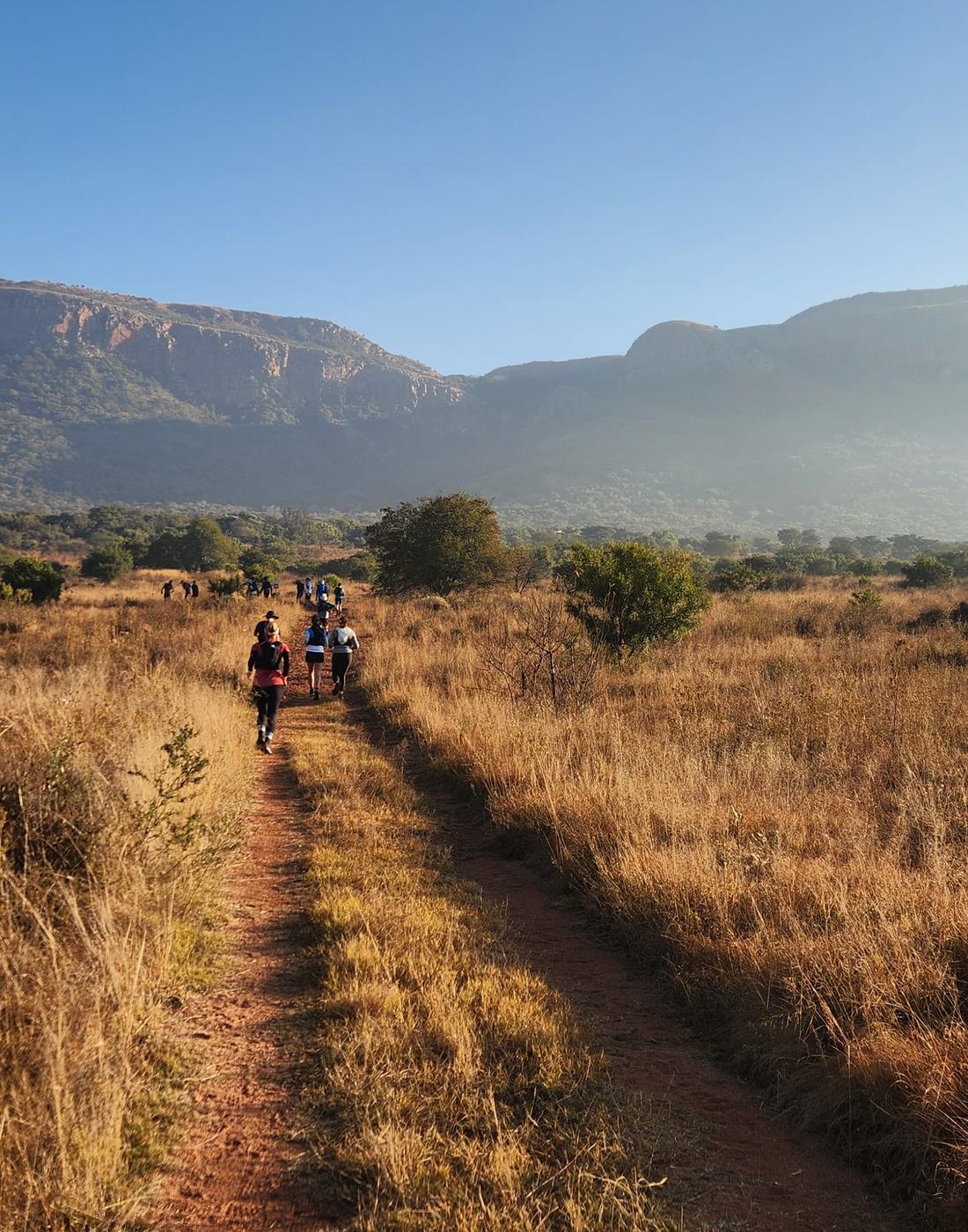
Who is on the ground
Every party currently out, the route they declared, who is with them, and when they said they would be back. Message one of them, or all of them.
Overdue, and it stays up
You set the grace period per estate. When it passes, the desk raises an alert that a person has to resolve by name — it does not expire, and it does not stop asking.
Watched until, and after that
A desk is watched during the hours you say so. Outside them the app tells your visitor plainly who is watching and who is not, rather than implying a night shift you do not run.
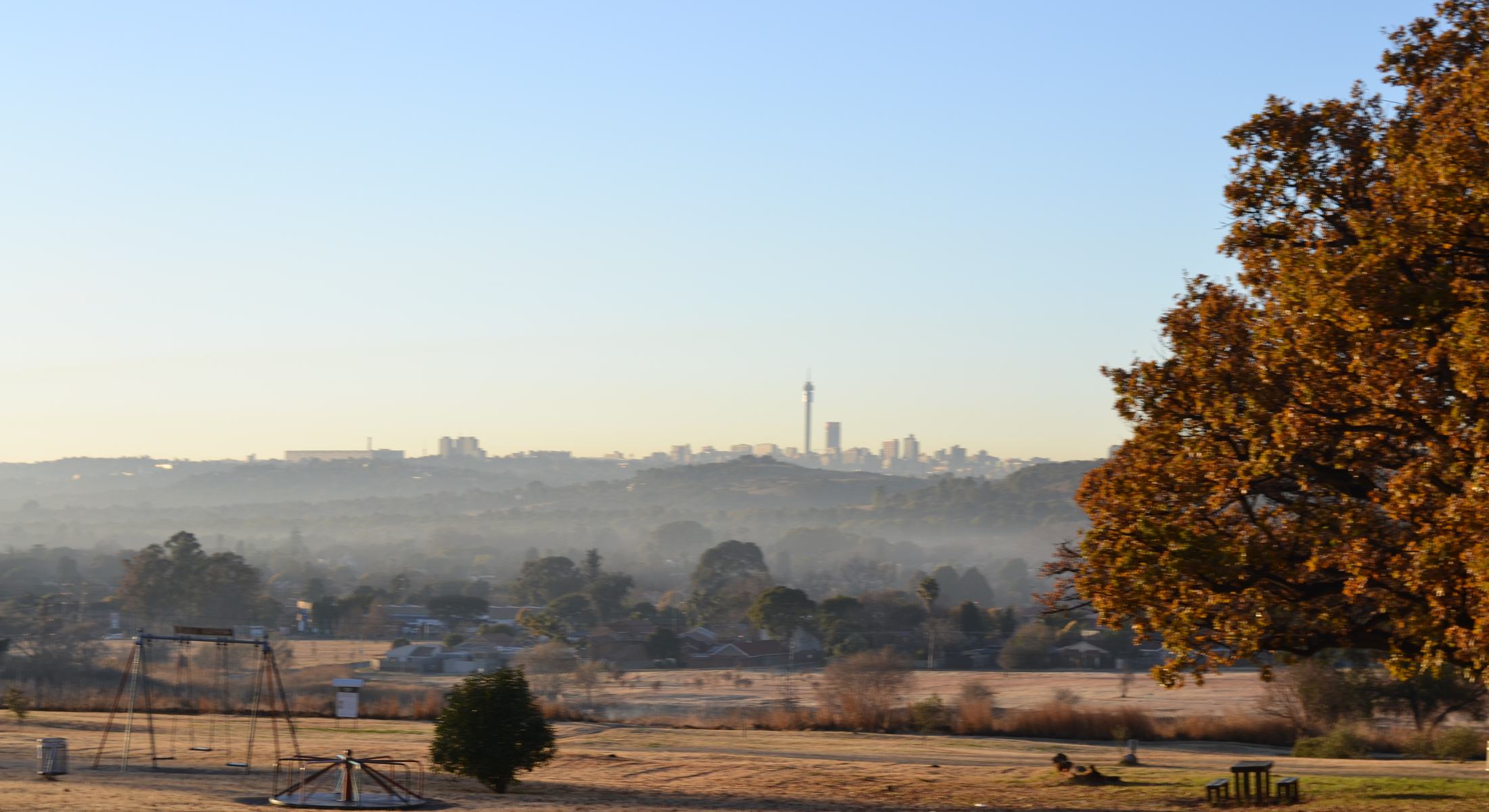
Hiking areas · plantations · reserves · conservancies
Tell us about your ground
How big it is, how people get on to it, and what happens today when somebody does not come back. That last answer is usually the one that decides whether this is worth your time.